How to Show Up in AI Search Results (GEO Strategy for AI Visibility)
To increase visibility in AI-driven search results, publish structured, clear, and authoritative content supported by semantic SEO, schema markup, and strong credibility signals. While placement is never guaranteed, well-optimized content is more likely to be selected and summarized by AI systems.
SEO vs AI Search: What Actually Changed
Traditional SEO was about rankings.
AI search is about answers.
Platforms like Perplexity, Gemini, and other generative engines don’t just list pages. They combine information from multiple sources and generate a response.
That changes everything:
- Users often never click a website
- Content gets summarized, not just indexed
- Visibility depends on clarity and usability, not just ranking
- Results can shift based on context and phrasing
Your content is no longer competing for position.
It’s competing to be used.
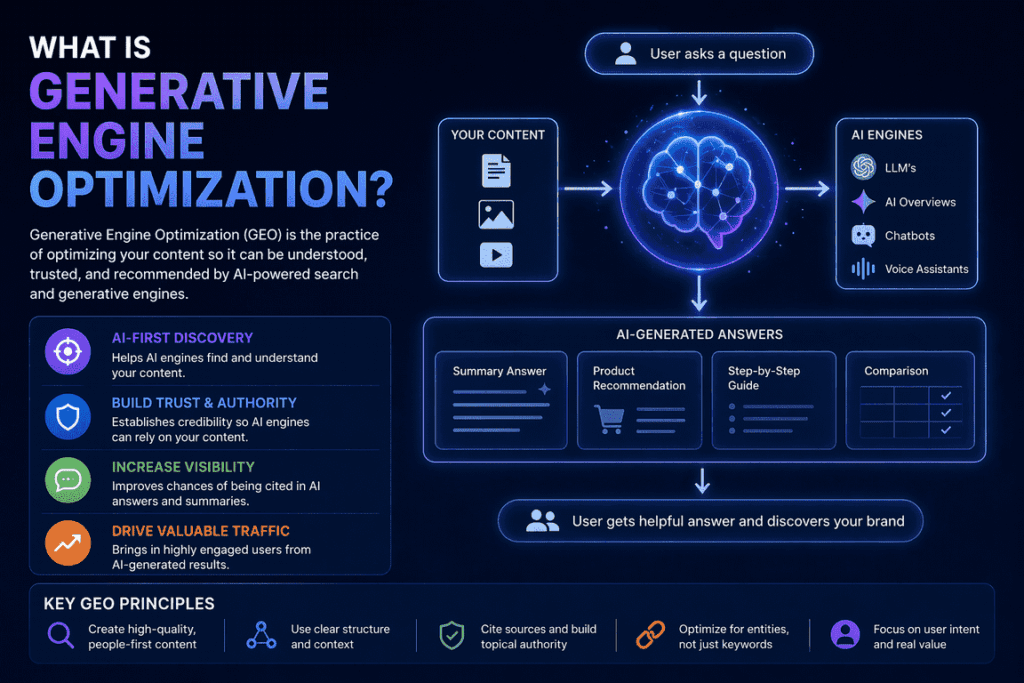
What Is Generative Engine Optimization (GEO)?
GEO is the next layer of SEO.
It focuses on making content:
- easy to interpret
- easy to extract
- easy to trust
Definition:
Generative Engine Optimization is the process of structuring content so AI systems can understand it, evaluate it, and reuse it in generated answers.
It does not replace SEO.
It builds on it.
How AI Systems Choose Content
There isn’t a single ranking factor. Selection usually comes from a mix of:
Content-Level Signals
- Direct answers to real questions
- Clean structure and formatting
- Strong semantic relevance
Authority Signals
- Brand mentions
- Backlinks
- Consistency across sources
System Factors
- Query intent
- Content freshness
- Source diversity
Well-optimized content improves your chances.
Nothing guarantees inclusion.
The Framework That Actually Works
1. Answer Questions First
Start with the answer, not the intro.
Bad:
Long explanation before getting to the point
Better:
Direct answer in the first sentence
AI systems favor content that gets to the answer fast.
2. Structure Everything Clearly
Messy content gets ignored.
Use:
- question-based headings
- short paragraphs
- bullet points
- consistent formatting
Structure is what makes content usable.
3. Build Real Topical Authority
One article is not enough.
Strong sites:
- cover multiple related topics
- answer variations of the same question
- go deep, not wide
Topic clusters outperform isolated posts every time.
4. Strengthen Trust Signals (E-E-A-T)
Content needs to show:
- real experience
- accurate information
- consistent publishing
- clear brand identity
AI systems favor sources that look reliable across multiple signals.
5. Make Content Easy to Extract
If AI can’t pull it cleanly, it won’t use it.
Best-performing formats:
- definitions (40–60 words)
- numbered steps
- short explanations
- comparison sections
Think in terms of “copy-ready answers.”
Weak vs Strong Content
Weak content
- long paragraphs
- vague answers
- no structure
- no supporting detail
Strong content
- direct answers
- clear sections
- scannable format
- useful examples
Clarity wins.
Common Mistakes That Kill Visibility
- keyword stuffing without context
- poor structure
- generic content
- outdated info
- no clear answer early
- weak internal linking
- no topical depth
- inconsistent wording
- ignoring user intent
- missing FAQ sections
- incorrect or missing schema
- no credibility signals
- slow or poorly optimized pages
Pre-Publish Checklist
Before publishing, check:
- Does it answer a real question clearly?
- Is the structure easy to scan?
- Is the topic fully covered?
- Is your brand visible and credible?
- Is the information accurate and consistent?
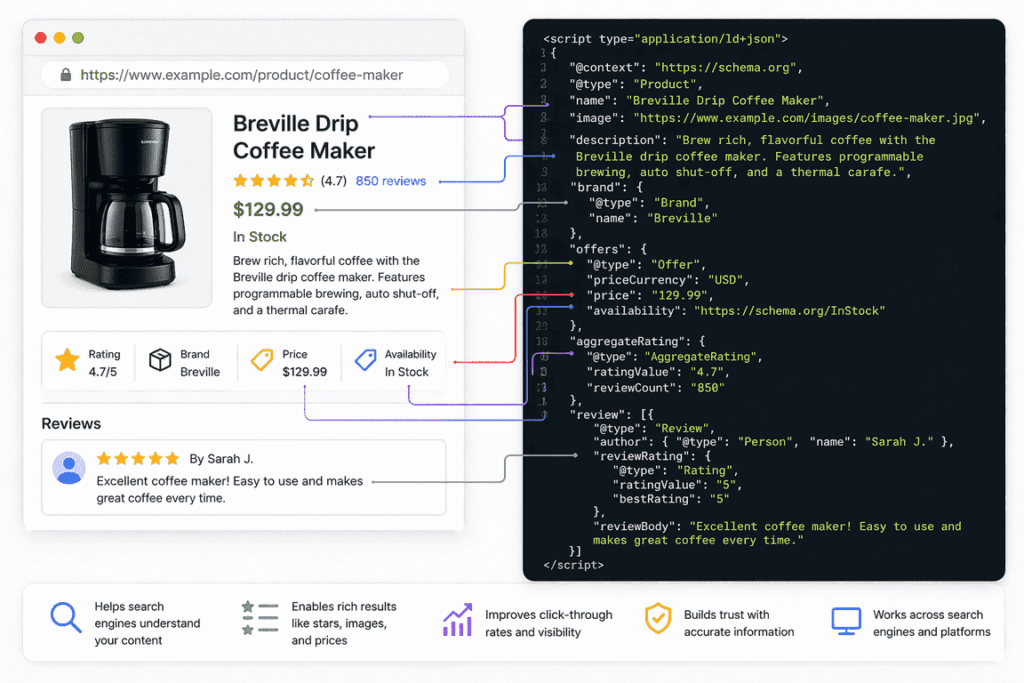
- Is schema implemented where needed?
Conclusion
Visibility in AI search is not about gaming the system.
It comes down to three things:
- clarity
- structure
- credibility
Content that is easy to understand and easy to trust is far more likely to be used in generated answers.
At Legacy Digital Marketing Agency, the focus is not just rankings.
It’s building content that performs across both search engines and AI-driven platforms.
The goal is simple:
Create answers that systems can use and people can trust.
Frequently Asked Questions
Focus on structured, factual content that directly answers real search queries. Strong topical coverage and credibility signals improve your chances of being selected.
Clear structure, direct answers, and organized formatting. Content that is easy to scan and extract performs better in AI summaries.
Yes, but it is not enough. AI systems also evaluate clarity, structure, and usability before using content.
Yes. It helps connect topics and improves how AI systems understand context.
It improves clarity and structure, but it does not guarantee visibility.
Yes. They strengthen authority and trust signals.
Start with a direct answer, keep formatting clean, and make content easy to extract.