- Gym A (Omni-Present):
- 30 Leads
- $4 Cost Per Lead
- Gym B (Direct Lead Ads):
- 3 Leads
- $25 Cost Per Lead
 That’s a 6X lower cost per lead and 10X more lead volume for Gym A.
What Is an Omni-Present Facebook Ads Strategy?
An omni-present strategy focuses on consistent visibility instead of immediate conversion.
Instead of pushing hard offers right away, Gym A:
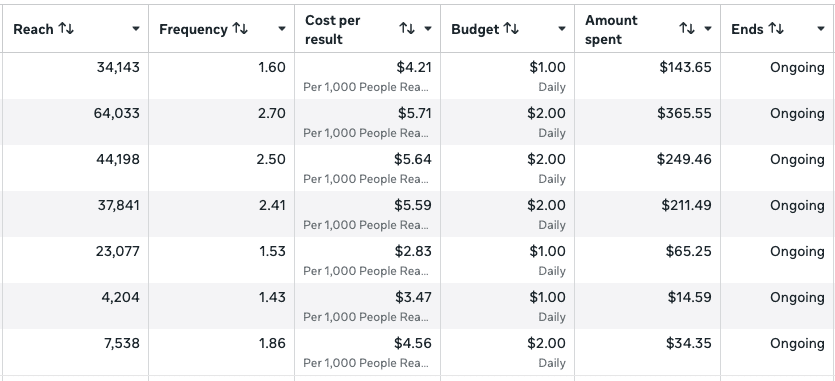
- Ran 6–8 ads at once
- Spent just ~$6/day total
- Focused on:
- Member testimonials
- Training clips
- Community highlights
- Educational fitness content
The goal was simple: Show up in front of the same audience every single day
Why Gym A Outperformed Gym B
1. Warm Audiences Convert Better
Gym A built familiarity over time.
By the time someone saw a sign-up offer, they already:
- Recognized the gym
- Trusted the brand
- Saw others getting results
Gym B, on the other hand, asked for the lead immediately from a cold audience.
2. Lower Resistance = Lower CPL
- Gym A: $4 per lead
- Gym B: $25 per lead
When people already know you, they don’t need convincing—they just need a reason to act.
3. More Touchpoints = More Leads
Most people don’t convert on the first ad they see.
Gym A created multiple daily touchpoints across:
- Video content
- Social proof
- Lifestyle messaging
Gym B relied on a single interaction.
4. Content Builds Demand Before the Offer
Gym A didn’t “sell” right away.
It built:
- Authority
- Trust
- Community appeal
So when the offer came—it converted.
The Hidden Advantage Most Businesses Miss
Most gyms (and businesses) run ads like this:
“Join now” “Free trial” “Limited time offer”
But without brand familiarity, those ads struggle.
The omni-present approach flips the process:
- Get seen consistently
- Build trust
- Create demand
- Then convert
Who This Works Best For
This strategy works extremely well for:
- Local gyms
- Fitness studios
- Martial arts schools
- Personal training businesses
- Any service-based local business
Especially if:
- You rely on local awareness
- You want lower-cost leads
- You want more consistent inbound inquiries
Why We Use This at Legacy Digital Marketing
We’ve found that combining:
- Omni-present awareness campaigns
- With strategic retargeting and conversion ads
…consistently lowers cost per lead and increases total volume.
It’s not about spending more—it’s about positioning better.
Ready to Get More Leads for Less?
If your Facebook ads:
- Aren’t producing
- Cost too much per lead
- Or feel inconsistent
We can help you implement the same system.
Reach out to Legacy Digital Marketing to set up an omni-present Facebook ads strategy that actually works.
Check out what Legacy’s CCO Brian has to say about Omni Present Campaigns.